How to Choose the Best Teflon Check Valve from China?
Choosing the best teflon check valve from China requires more than comparing catalog prices. The right valve should match your fluid, pressure, temperature, and installation conditions. PTFE offers strong chemical resistance, but it is not suitable for every operating environment. Excessive heat, sudden pressure changes, or unsuitable fittings can shorten service life.
Begin by checking the valve’s body material, sealing design, connection size, and flow direction. Ask the manufacturer for pressure ratings, temperature ranges, dimensional drawings, and material specifications. Reliable suppliers should explain how each valve is tested. Look for pressure testing, leakage inspection, batch records, and traceable quality controls. Clear answers matter.
Supplier experience also deserves close attention. Review factory photographs, production capabilities, export history, and customer references. A professional manufacturer should understand practical details, such as thread damage, incorrect installation, and particles blocking the seat. Request samples before placing a large order. Test them with your actual medium when possible.
Price still matters. It should not lead.
A cheaper teflon check valve may use weaker springs, inconsistent machining, or poor packaging. I have seen buyers focus on unit cost and overlook replacement delays. That approach is incomplete. Delivery reliability, technical communication, warranty handling, and inspection support affect the real purchase cost. Even experienced buyers can miss one detail. Therefore, this guide examines specifications, supplier verification, sampling, testing, and long-term value. It aims to support a careful decision based on evidence, not attractive claims.
What Is a Teflon Check Valve and How Does It Work?
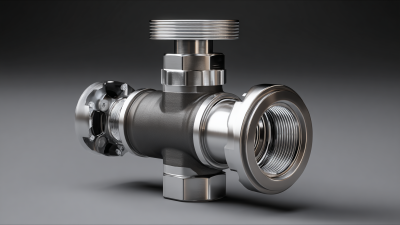
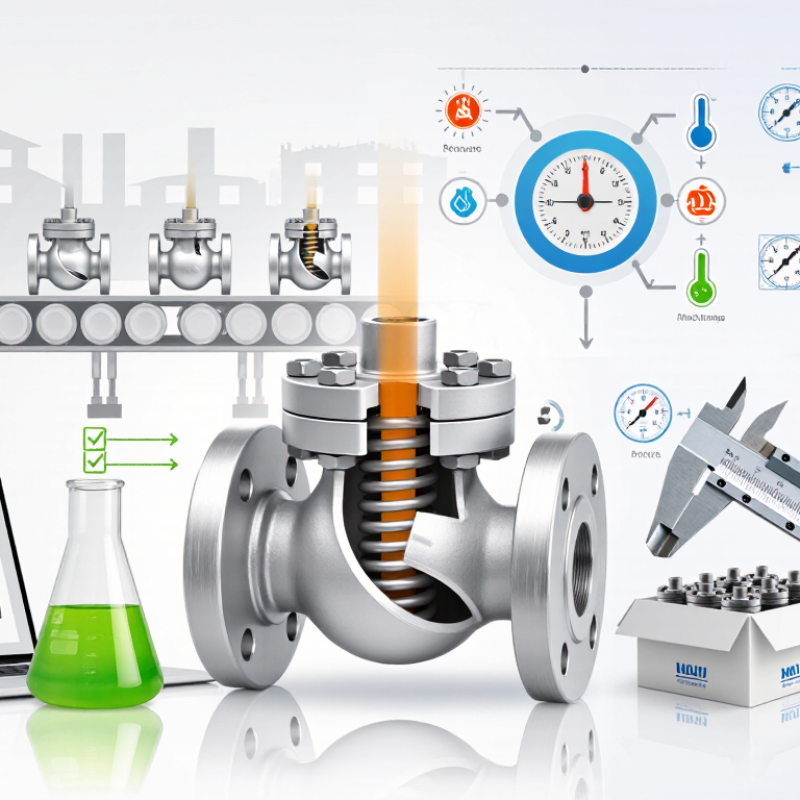
A Teflon check valve is a one-way valve lined or manufactured with PTFE, commonly called Teflon. It allows fluid to move forward while blocking reverse flow. Inside, a ball, poppet, or diaphragm responds to pressure changes. When inlet pressure rises, the internal element lifts from its seat. When pressure falls, it returns and closes the passage.
This action needs no external power. It depends on differential pressure and the valve’s cracking pressure. A low cracking pressure may protect delicate equipment, but it can also cause unwanted opening. PTFE offers strong resistance to many corrosive chemicals and provides a smooth, low-friction sealing surface. However, it is not suitable for every temperature, pressure, or abrasive medium.
When choosing a valve from China, request material certificates, pressure ratings, dimensional drawings, and tested leakage data. Confirm whether the body uses solid PTFE, lined metal, or another construction. These designs behave differently under heat and mechanical stress. Check thread accuracy, connection standards, spring material, and flow direction markings. A reliable supplier should explain test methods, not only quote a low price.
A practical inspection can reveal more than a catalog. Ask for sample testing with your actual fluid, pressure, and temperature range. No valve choice is perfect. PTFE may deform under repeated heat cycles, and a spring may lose performance over time. I would still require batch traceability and a clear replacement procedure before approving large quantities.
How to Choose the Best Teflon Check Valve from China?
What Is a Teflon Check Valve and How Does It Work?
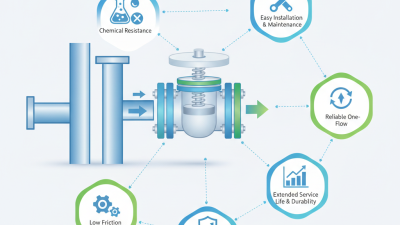
A Teflon check valve uses a PTFE seating or wetted component to permit fluid flow in one direction and prevent reverse flow. PTFE is commonly selected for its broad chemical resistance and low-friction surface.
The chart shows general PTFE temperature reference points: a commonly cited lower service limit, a typical continuous upper service limit, and the melting point. Actual valve limits depend on pressure, valve design, sealing method, cycling frequency, and the chemical medium.
Which Teflon Check Valve Materials and Designs Fit Your Application?
Choosing the best PTFE check valve starts with the process, not the catalogue. PTFE offers strong resistance to acids, solvents, and corrosive media. It also works across a broad temperature range, commonly around -40°C to 180°C, depending on pressure and design. However, pure PTFE can deform under continuous load. That weakness is easy to overlook.
A 2024 industrial valve market report by Fortune Business Insights estimated the global market at over USD 80 billion. This scale reflects growing demand for safer fluid-control systems. For chemical lines, a fully PTFE-lined body can reduce corrosion risks. For higher cycling frequency, reinforced PTFE seats may provide better dimensional stability. Ball, diaphragm, and spring-loaded designs suit different flow conditions. A spring-loaded model closes quickly, while a lift check valve may create lower pressure loss. The wrong choice can still fail, even with excellent material.
Tips: Confirm media concentration, temperature, pressure, flow direction, and connection standard. Ask for pressure-cycle testing, leakage results, and material certificates. ISO 5208 provides useful leakage-testing guidance. ASTM F1545 also covers plastic-lined piping components. Do not select by chemical resistance alone. I have seen valves pass laboratory checks but struggle with pulsation in the field. That gap deserves careful review. A slightly conservative design is often the wiser purchase from China.
How to Evaluate Chinese Teflon Check Valve Manufacturers
How to Choose the Best Teflon Check Valve from China?
Evaluating Chinese PTFE check valve manufacturers requires more than comparing prices. Grand View Research estimates the global industrial valves market reached USD 77.7 billion in 2023, with 4.8% annual growth projected through 2030. Fortune Business Insights reports different figures, showing that market definitions affect conclusions. Treat forecasts as signals, not purchasing evidence. A polished catalog is not proof.
Request the manufacturer’s PTFE material certificate, valve drawings, pressure-test records, and batch traceability. Confirm the testing method against API 598 or EN 12266-1. Ask for cracking-pressure data, reverse-leakage results, temperature limits, and cycle-test records. The valve should open smoothly and close without visible seepage. Short videos can help, but witnessed testing is stronger. Check whether the laboratory uses calibrated instruments with current certificates.
Verify
Quality
Before Price
Audit production controls, not only the showroom. Review incoming-material inspection, molding conditions, machining tolerances, and final inspection procedures. ISO 9001 certification supports process discipline, but it does not guarantee valve performance. Ask for recent nonconformity records and corrective actions. This question may feel uncomfortable. It often reveals maturity. Compare three production samples, measure dimensions independently, and inspect sealing surfaces under magnification. No audit is perfect; sampling can miss hidden defects. Define packaging, spare parts, warranty terms, and response times in the purchase agreement. A lower quote may conceal weaker testing or inconsistent PTFE quality.